10 Most Popular Orange Cat Breeds: Which One Fits Your Lifestyle
Author:sana
Released:March 15, 2026
Orange cats have a special kind of magic. From lazy Garfield to adventurous Puss in Boots, these ginger-coated felines appear everywhere in movies, books, and social media. But here is a truth that surprises many people: there is no “orange cat breed.” Orange is simply a coat colour that appears across dozens of breeds, much like red hair in humans.
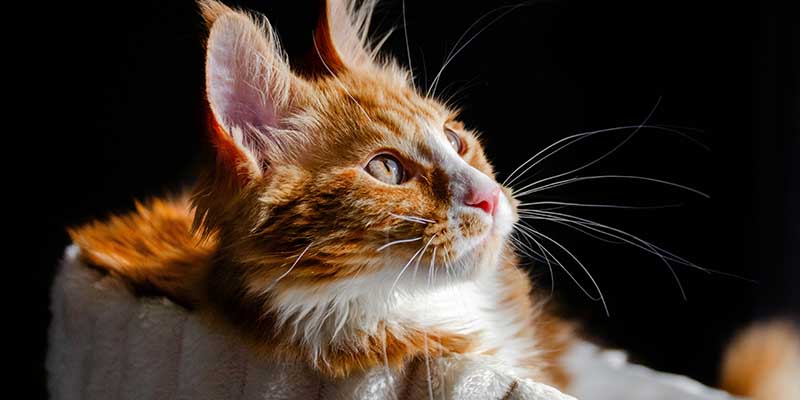
1. Maine Coon: The Gentle Giant
Few cats command attention like the Maine Coon. As the largest domesticated cat breed in the world, these gentle giants can weigh up to 35 pounds and stretch over three feet long.
Originating in the state of Maine (where they are the official state cat), Maine Coons are one of North America’s oldest natural breeds, having developed without intentional human intervention.
When sporting an orange tabby coat, Maine Coons resemble miniature lions with their tufted ears, bushy tails, and thick, water-resistant fur. Do not let their imposing size fool you. They are known for being affectionate, playful, and loyal, often following their owners from room to room. They are also famously dog-like in their devotion.
Lifespan: 12–15 years
Personality: Friendly, intelligent, gentle, playful
Popular in: United States (especially New England), Canada, United Kingdom
2. Persian: The Aristocrat
With their long, flowing coats and signature flat faces, Persians are the embodiment of feline elegance. This ancient breed originated in Persia (modern-day Iran) and was brought to Europe by Italian traders in the 16th century, quickly becoming a favourite among royalty and aristocrats.
Orange Persians are particularly striking, with warm ginger fur beautifully complementing copper-coloured eyes. However, beauty comes with responsibility. Persians require daily grooming to prevent painful mats and tangles. These cats are quiet, calm, and prefer serene environments. They are not particularly active. You are more likely to find them lounging on a velvet cushion than chasing toys.
Lifespan: 12–17 years
Personality: Calm, docile, affectionate, quiet
Popular in: United States, United Kingdom, Japan, Middle Eastern countries
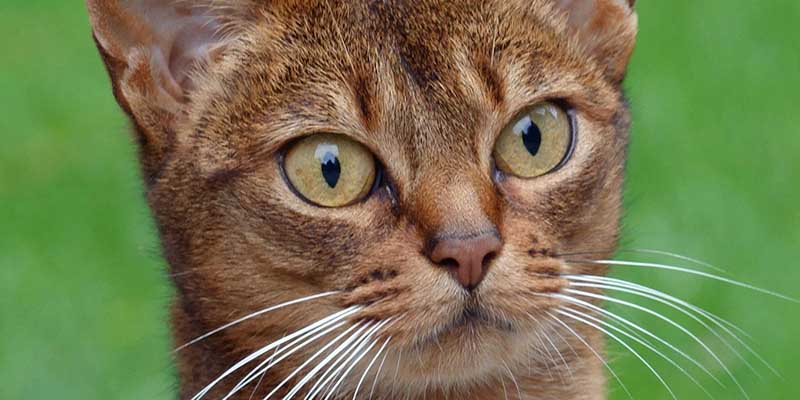
3. Abyssinian: The Adventurer
Often described as resembling miniature cougars or mountain lions, Abyssinians boast a stunning ticked tabby coat. Each individual hair features alternating bands of light and dark colour, creating a shimmering, almost iridescent effect when they move.
This breed is among the oldest domesticated cats in the world, with roots possibly tracing back to ancient Egypt. Abyssinians are highly active, intelligent, and incredibly curious. They are not the type to sit idly on a lap. Instead, they will follow you everywhere, investigate every corner of your home, and entertain themselves (and you) for hours. If you lead an active lifestyle or want a cat that feels more like a mischievous monkey, the Abyssinian might be your perfect match.
Lifespan: 9–15 years
Personality: Active, intelligent, playful, curious
Popular in: United States, United Kingdom, Australia, Japan
4. British Shorthair: The Teddy Bear
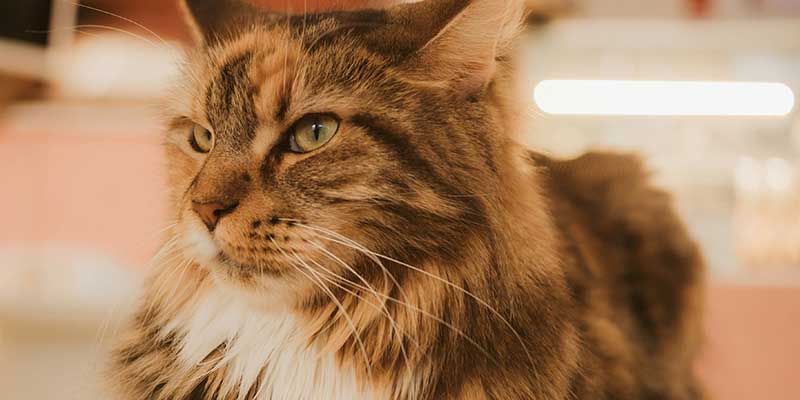
With their round faces, chubby cheeks, and dense, plush coats, British Shorthairs look exactly like living teddy bears, especially when they are decked out in a beautiful orange tabby pattern. This breed originated in the United Kingdom and is known for its calm, dignified demeanour.
British Shorthairs are easygoing and not overly demanding of attention. They are perfectly content entertaining themselves while you go about your daily tasks, but they will also happily curl up beside you for a quiet evening. Their robust health and low-maintenance nature (weekly brushing is usually sufficient) make them wonderful companions for first-time cat owners and busy households.
Lifespan: 12–15 years
Personality: Calm, reserved, well-mannered, affectionate
Popular in: United Kingdom, United States, Germany, Australia
5. Scottish Fold: The Owl-Eared Charmer
One glance at a Scottish Fold and you will understand why they are so beloved. Their distinctive folded ears, which give them an adorable owl-like appearance, are the result of a natural genetic mutation first observed in a barn cat named Susie on a Scottish farm. Every Scottish Fold today can trace its lineage back to that single cat.
Beyond their unique ears, Scottish Folds are known for their sweet, gentle personalities. They adapt quickly to new people and environments and tend to be soft-spoken and mild-mannered. An orange Scottish Fold combines their charming folded ears with a warm ginger coat for an irresistible package. However, potential owners should be aware that the gene causing folded ears is also linked to cartilage abnormalities, so responsible breeding practices are essential.
Lifespan: 11–14 years
Personality: Gentle, adaptable, affectionate, calm
Popular in: United States, Japan, United Kingdom, Canada
6. Bengal: The Miniature Leopard
Bengal cats are not your average house cat. With their striking spotted or marbled coats, they look like they just stepped out of the jungle, and there is a good reason for that. Bengals were developed by crossing domestic cats with the Asian Leopard Cat, giving them their wild appearance and athletic build.
Orange Bengals are particularly eye-catching, with their golden-orange coats adorned by distinctive leopard-like spots. These cats are highly energetic, intelligent, and curious. They love water (do not be surprised if they join you in the shower), enjoy climbing to high places, and need plenty of mental and physical stimulation to stay happy. Bengals are not for the faint of heart. They require engaged, active owners who can match their energy levels.
Lifespan: 12–16 years
Personality: Energetic, intelligent, curious, active
Popular in: United States, United Kingdom, Australia, Western Europe
7. Exotic Shorthair: The Persian Made Easy
Have you ever wished for a Persian cat without the high-maintenance grooming? The Exotic Shorthair is your answer. Often described as “Persians in pajamas,” these cats have the same round face, flat nose, and sweet expression as their longhaired cousins but with a short, plush, teddy-bear-like coat that requires far less upkeep.
The Exotic Shorthair breed originated in the 1950s when breeders crossed Persians with American Shorthairs to create a more manageable version of the Persian. Orange Exotic Shorthairs are incredibly popular. Many believe Garfield himself is an Exotic Shorthair rather than a Persian. These cats have a calm, laid-back temperament, occasional bursts of playfulness, and a deep attachment to their humans.
Lifespan: 12–15 years
Personality: Calm, affectionate, playful in bursts, easygoing
Popular in: United States, United Kingdom, Japan, Canada
8. Turkish Angora: The Elegant Origin
The Turkish Angora is one of the oldest domesticated cat breeds in the world, with documented history dating back to 17th-century Turkey. For centuries, these cats were thought to exist only in white with blue or green eyes. However, Turkish Angoras now come in a wide range of colours, including a beautiful soft orange tabby.
Known for their graceful, fine-boned bodies, silky medium-long fur, and plumed tails, Turkish Angoras carry themselves with an almost royal bearing. They are intelligent, curious, and often described as having an “alpha” personality. They will command the attention of any room. If you are seeking an orange cat that is both elegant and engaging, the Turkish Angora is an excellent choice. To be registered by the Cat Fanciers’ Association, an Angora’s lineage must be traceable back to Turkey.
Lifespan: 12–16 years
Personality: Intelligent, active, confident, social
Popular in: Turkey (national treasure), United States, Western Europe
9. American Bobtail: The Wild at Heart
With their short, stubby tails and athletic builds, American Bobtails have an undeniably wild appearance, but their personalities tell a different story. This breed was created through natural selection, with the bobbed tail being the result of a natural genetic mutation.
American Bobtails are highly intelligent, playful, and exceptionally loyal to their human companions. They can spend hours engaged in the same game without losing interest and adapt easily to new environments, making them excellent travel companions. Orange American Bobtails are particularly striking, with their warm ginger coats contrasting beautifully against their powerful, muscular frames. Despite their wildcat looks, they are known for being incredibly sweet-tempered and devoted.
Lifespan: 13–15 years
Personality: Intelligent, playful, loyal, adaptable
Popular in: United States, Canada, Japan
10. Devon Rex: The Elf with Giant Ears
The Devon Rex is perhaps the most unusual-looking cat on this list. With enormous bat-like ears, a tiny wedge-shaped head dominated by two large eyes, and a short, wavy coat, this breed is sometimes called the “pixie cat” or “elf cat.” It is not a look for everyone, but those who love Devon Rexes absolutely adore them.
The breed developed naturally in Devonshire, England, when a stray cat gave birth to a very odd-looking kitten. That kitten went on to become the father of the entire breed. Orange Devon Rex cats are rare and eye-catching, with their unique wavy fur adding texture to their warm ginger colouring. These felines are social, playful, and often behave more like dogs than cats. They are known for their relaxed, friendly nature and will happily follow you around while chattering away with chirps and trills.
Lifespan: 12–14 years
Personality: Playful, social, curious, dog-like in loyalty
Popular in: United Kingdom, United States, Australia, Western Europe
5 Fascinating Orange Cat Facts
- No solid orange cats exist.
Every orange cat has some kind of pattern, be it mackerel stripes, classic swirls, ticked bands, or spots. It is simply how the orange gene expresses itself.
- The same pigment produces red hair in humans.
Pheomelanin is responsible for both ginger cats and red-headed people. So in a way, orange cats are the natural redheads of the feline world.
- Female orange cats are rare.
Because the orange gene is on the X chromosome, only about one in five orange cats is female. A female needs two copies of the orange gene (one from each parent) to be fully orange, while a male needs only one.
- The “M” on their forehead has legendary origins.
Nearly all orange tabbies have a distinct “M” marking between their eyes. According to Christian legend, the mark was given by the Virgin Mary, who blessed a tabby cat for keeping baby Jesus warm. Islamic tradition says the Prophet Mohammed placed his hand on a tabby’s forehead, leaving the “M” as a blessing.
- Orange cats are statistically perceived as friendlier.
While not scientifically proven, multiple surveys have found that cat owners consistently rate orange cats as more friendly, affectionate, and outgoing than cats of other colours.
Picking Your Perfect Orange Companion
Not all orange cats suit every home. Different breeds have different energy levels, social needs, and temperaments. Below is a simple guide to help you match an orange cat with your specific living situation.
Best for Seniors (Quiet, Low-Energy, and Affectionate)
Seniors or people who enjoy a calm, predictable home life often do best with cats that are not too demanding or hyperactive. The Persian is an excellent choice. These cats spend most of their time resting and appreciate a stable, quiet environment.
The British Shorthair is another great option. They are independent without being aloof, require minimal exercise, and rarely cause chaos. For seniors who still want a bit of playful interaction, the Exotic Shorthair offers Persian-like calmness with a much easier grooming routine.
Best Families with Children (Patient, Playful, and Sturdy)
Families with young children need cats that are tolerant of noise, occasional rough handling, and unpredictable movements. The Maine Coon tops this list. These gentle giants are famously patient with kids and even enjoy being carried around (within reason).
The American Bobtail is also wonderful with children, as they are playful, sturdy, and rarely aggressive. For families who want a smaller but equally child-friendly option, the Scottish Fold adapts well to busy households and is known for its sweet, non-aggressive temperament.
Best for Busy Working Professionals (Low-Maintenance and Independent)
If you work long hours and travel occasionally, you need a cat that does not suffer from separation anxiety or require constant attention. The British Shorthair is perfect for this lifestyle. They are content to nap alone for hours and will greet you when you return without demanding non-stop play.
The Exotic Shorthair is another excellent match, as their laid-back personality means they will not destroy your home out of boredom. The Devon Rex can also suit busy owners, provided you give them focused attention when you are home. They are social but not clingy, and their short, low-shedding coat requires almost no grooming.
Orange cats come in nearly every shape, size, and personality imaginable, from the massive Maine Coon to the elf-like Devon Rex, from the regal Persian to the wild-looking Bengal. What unites them all is their stunning ginger coat and the undeniable charm that has made them some of the most beloved felines on the planet.
Take your time, consider your home environment, and choose the orange cat that fits not just your living space, but your daily rhythm as well. The right match will reward you with years of ginger-coloured companionship.
Related Posts
Homemade Pupsicles: The Easiest Way to Cool Down Your Dog This Summer
Cat Appetite Changes: Causes You Should Not Ignore
Homemade Cat Wand Toy Ideas That Keep Cats Engaged
Adopting a Cat in 2026: Costs, Prep & Finding the Right Match
Why Your Indoor Cat Needs A Window Perch For Mental Stimulation